
What the New Digital ID Requirements Mean for Small Biz Owners in 2025

The Digital Revolution is Here—And It’s Changing Everything
2025 is shaping up to be a transformative year for small business owners in Australia. One of the biggest changes on the horizon is the implementation of new Digital ID requirements by the Australian government. These changes are designed to streamline online transactions and improve security, but they also come with new obligations for small business owners.
In this blog, we’ll walk you through what the new Digital ID requirements are, how they’ll impact your business, and what you need to do to stay compliant and future-proof your operations.
What Is the Digital ID and Why Is It Being Introduced?
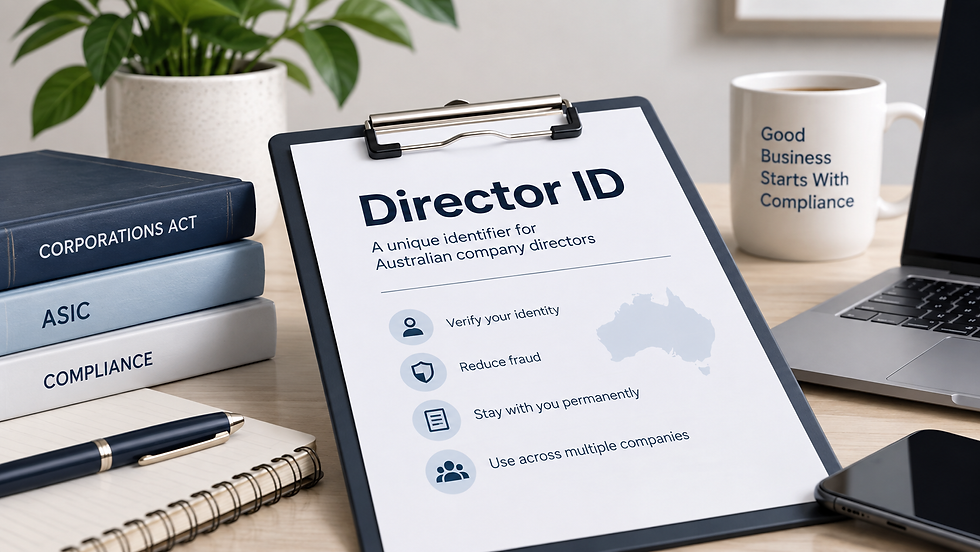
A Digital ID is a secure online identification system that allows businesses, individuals, and government agencies to verify their identity online without needing physical documents. It’s part of Australia’s ongoing effort to modernize its digital systems and reduce the risk of identity fraud.
For small business owners, this means that you'll need to be able to confirm your business’s identity online for transactions like registering with government services, interacting with the ATO, and even applying for loans or business grants.
How Will the New Digital ID Requirements Impact Your Business?
Increased Security One of the key advantages of a Digital ID is the increased security it offers. By using a secure, government-backed identification system, you’ll reduce the risk of identity fraud and online scams. This added layer of protection helps keep your business and customers safe.
Faster Transactions Digital IDs will allow small businesses to verify their identity quickly and easily, speeding up transactions with government departments, banks, and other services. This means no more waiting for document processing or dealing with long verification processes.
Mandatory for Government Interactions As part of the new regulations, small business owners will be required to use Digital IDs for certain transactions with government agencies, such as:
Registering your business with ASIC
Filing tax returns with the ATO
Applying for government grants or subsidies
Accessing business support programs
Impact on Hiring and Employee Records If your business hires staff, the new ID requirements will also affect how you manage employee records and compliance. You’ll need to ensure that your employees’ Digital IDs are properly set up and maintained, particularly for payroll and superannuation purposes.
What Do You Need to Do to Prepare?
Register for a Digital ID The first step is to register for a Digital ID. This process will be done through an Australian government website, where you’ll need to verify your personal identity and business details. Once registered, you’ll have a secure digital credential that can be used for all your business-related transactions.
Ensure Your Business Records Are Up to Date Before you apply for your Digital ID, make sure all your business records are up to date. This includes your company registration, ABN, GST registration, and other essential documents. Having these in order will streamline the process and prevent delays when applying for your Digital ID.
Integrate the Digital ID System with Your Business Once you have your Digital ID, you’ll need to integrate it into your day-to-day business operations. For example, you may need to update your online accounting system to accommodate Digital ID verification for government filings, tax returns, and other services.
Educate Your Team If you have employees, it’s important to educate them about the new Digital ID requirements. Make sure they understand how to use their Digital IDs for payroll, taxation, and other related services. Clear communication and proper training will help avoid errors and ensure compliance.
What Are the Risks of Not Adapting to the Digital ID System?
Non-Compliance One of the biggest risks is non-compliance with government regulations. Without a Digital ID, you won’t be able to access certain government services or submit mandatory reports, which could result in fines, penalties, or delays in receiving support.
Security Risks Failing to adopt the Digital ID system may leave your business vulnerable to fraud. Without the added security of a government-backed identification system, your business could become a target for cybercriminals.
Lost Opportunities As more government programs and business services transition to digital ID systems, failing to adapt may cause you to miss out on opportunities like grants, loans, and other financial support that could help your business grow.
How Can You Make the Transition Easier?
Start Early Don’t wait until the last minute to apply for your Digital ID. Starting early will give you time to address any issues and make sure your business is compliant well before any deadlines approach.
Seek Professional Guidance If you’re unsure how the Digital ID system affects your business, consider consulting a professional or a business advisor. They can help you navigate the process and ensure your business is fully compliant with the new regulations.
Conclusion: Digital IDs Are the Future—Get Prepared Today
The introduction of Digital IDs is a significant step toward modernizing Australia’s business landscape. While there may be an initial adjustment period, the long-term benefits of increased security, faster transactions, and easier access to government services far outweigh the inconvenience. By getting your Digital ID today, you’ll ensure that your business stays compliant, secure, and future-proof.
Ready to get started with your Digital ID?


Comments