
How the New Employee vs. Contractor Rule Impacts Your Business
The world of employment is changing, and it’s time to make sure your business is in the know. If you’ve been uncertain about the difference between an employee and a contractor under the new regulations, you're not alone. The rules are evolving, and understanding them could have a huge impact on how you run your business. So, let’s break it down and make sure you’re ahead of the game!
Understanding the Basics: What’s the Difference Between an Employee and a Contractor?
In a nutshell, employees and contractors are both hired to perform work, but the relationship and expectations are very different. Here’s how:
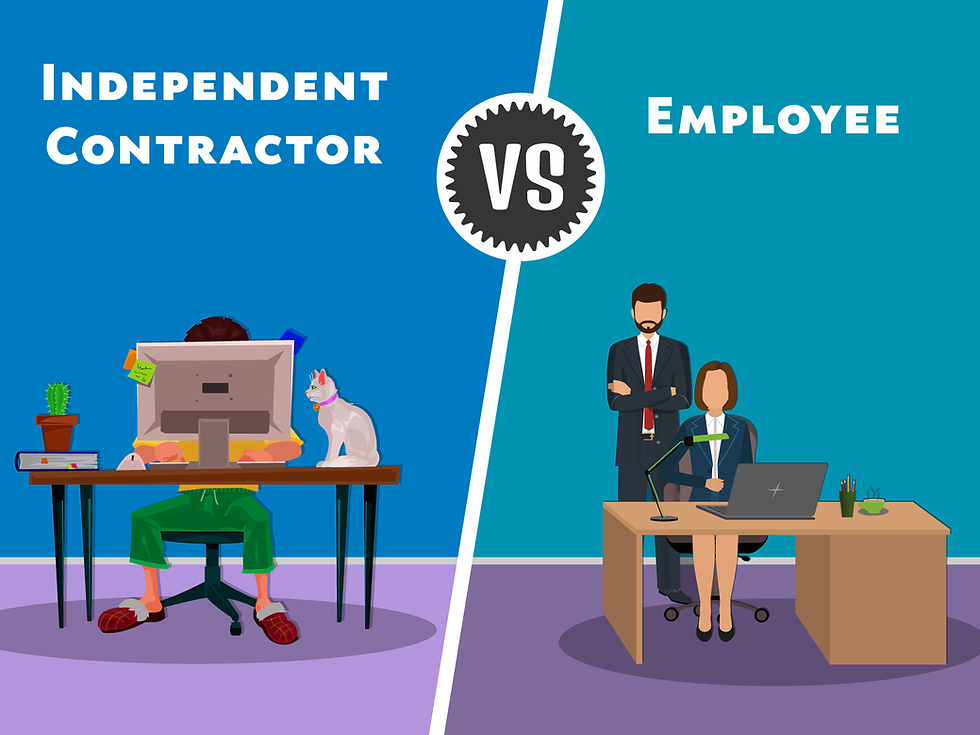
Employees: They’re part of your team, working regularly for your business, often with set hours, job responsibilities, and benefits (like paid leave or superannuation contributions). You have more control over how and when they work.
Contractors: These are often independent workers, hired to complete specific tasks or projects. They’re typically self-employed and provide their own tools and resources. You hire them for their expertise but don’t control their work schedule or how they deliver results.
The main difference lies in control—as an employer, you generally have more control over employees, while contractors enjoy more independence. But under the new regulations, how you categorize these workers can have significant implications for your business.
Why Is This So Important for Your Business?
With the introduction of new regulations surrounding the Employee vs. Contractor classification, it’s essential to get it right. Misclassification can lead to serious consequences, including hefty penalties, back payments, and even legal challenges. Understanding the updated rules means you can:
Avoid financial penalties: Incorrectly classifying workers can lead to fines and the requirement to pay back benefits, including superannuation contributions, which could impact your bottom line.
Protect your business reputation: Ensuring compliance with the latest regulations demonstrates professionalism and responsibility to both your team and clients.
Maximise efficiency: Knowing the distinction between employees and contractors helps you structure your workforce for maximum flexibility and cost-effectiveness.
What’s Changed? Key Updates to the Employee vs. Contractor Rules
Under the updated guidelines, the line between employees and contractors is becoming more clearly defined. These changes are aimed at ensuring fair treatment for workers and clarity for businesses. Here’s a breakdown of the key updates:
New Definition of Control: The biggest shift in the regulations centers around control—who has it and how much is too much? In the past, the line was blurred. However, the new rules clarify that contractors must maintain a higher level of independence. If you are managing an independent contractor too closely (e.g., setting their hours, providing tools), they may be considered an employee under the law.
Superannuation Eligibility: Employees are entitled to superannuation contributions, but contractors are generally not. However, if a contractor is working under conditions that resemble an employment relationship, they may be entitled to superannuation under the new rules. This is something business owners need to keep a close eye on when classifying workers.
Tax Implications: With contractors, you don’t have to withhold PAYG tax from their payments—this is their responsibility. Employees, however, require tax to be withheld. Misclassifying a worker could lead to significant issues come tax time, including underreporting or incorrect deductions.
What Does This Mean for Your Business?
Now that we’ve covered the basics of the rules, let’s look at the real-world impact on your business:
Cost Flexibility:
Employees come with fixed costs: salary, benefits, and statutory requirements like superannuation.
Contractors, on the other hand, can often offer a more flexible, cost-efficient solution since they’re typically responsible for their own tools and expenses. But, the new regulations mean you’ll need to ensure contractors aren’t treated too much like employees.
Workforce Management:
You’ll need to reassess your workforce structure. If you rely on contractors but manage them closely, you might need to make adjustments to maintain compliance. For example, do they have the freedom to choose how and when they work? Are they working on a set project or providing ongoing services?
Compliance Risks:
Misclassification can be costly—not just financially but also legally. Ensuring you correctly classify employees and contractors reduces the risk of fines and reputational damage. That’s why it’s crucial to assess your workforce and contractual agreements with legal and accounting experts to ensure compliance.
What’s Next? How Can You Adapt to the New Rules?
Adaptation is the key to thriving in the changing regulatory environment. Here’s how you can ensure your business is on the right track:
Revisit your contracts: For contractors, double-check that their contracts reflect their status as independent workers, and make sure there is no ambiguity that could lead to misclassification.
Review your workforce structure: Assess whether certain contractors should be reclassified as employees, especially if they are performing tasks under strict direction and working on an ongoing basis. It’s important to get advice from HR professionals or legal experts.
Stay informed: The rules around employees vs. contractors may evolve further. Stay up-to-date with HR and legal compliance news to ensure you’re always compliant with the latest regulations.
The Bottom Line: Get it Right and Empower Your Business
The new Employee vs. Contractor rules might sound complex, but the truth is, they’re here to protect your business and your workers. By understanding these changes, you can continue building a flexible, efficient workforce that’s aligned with the law and structured for success.
Getting it right from the start means no penalties, better workforce management, and the ability to scale your business without worry. Take the time to understand the new rules, assess your current practices, and ensure you're compliant—you’ll save time, money, and hassle in the long run.
So, what are you waiting for? Start reviewing your workforce today, and take advantage of the opportunity to get ahead of the game.


Comments